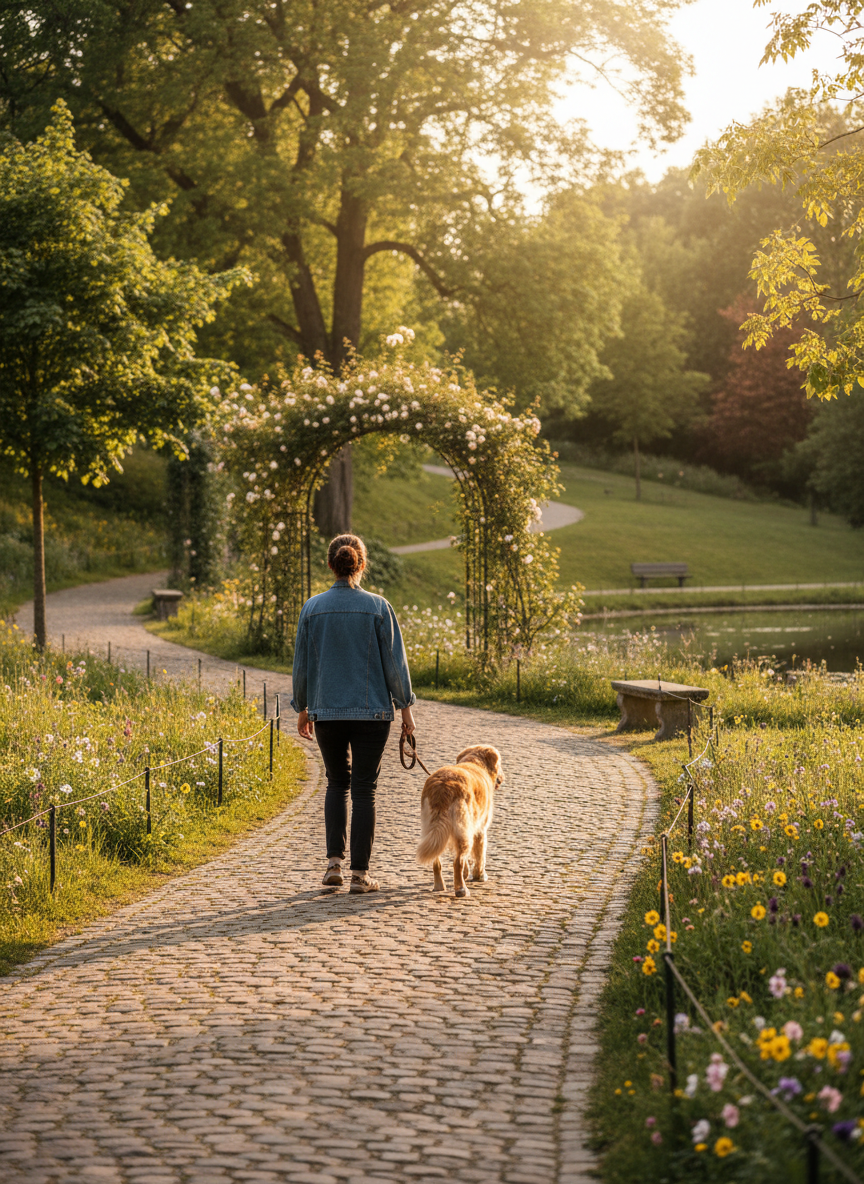
A quiet, everyday walking scene featuring a woman with her dog, shown from the side or behind, in a peaceful setting. No faces, close-ups, or anything posed or promotional. Maintain a grounded, calm mood. Image should not change size, shape, or layout. Do not alter text, colors, or sections.

A Clear Way to Understand and Retrain Subconscious Responses

SONIagogy focuses on awareness, nervous system education, and steady integration so change happens where reactions actually live.

SONIagogy is taught through guided learning and steady integration.

Our Approach

Training in SONIagogy does not begin with fixing or forcing change. It begins with awareness, safety, and understanding how responses form over time. Each phase builds gently on the one before it, allowing patterns to soften and reorganize at a pace the nervous system can follow.

Training does not begin with fixing or forcing change. It begins with awareness, safety, and understanding how responses form over time. Each layer builds gently on the one before it, allowing patterns to soften and reorganize at a pace the nervous system can follow.

A very simple, quiet scene with soft natural light—no people, no activity, no symbolism or distracting elements. Example ideas: empty path, still water, calm interior space. Maintain the same portrait orientation as the existing first image in the 'Our Approach' section. Size and layout should match the current image.

Awareness and orientation

A simple, quiet image showing subtle pattern or repetition—such as gentle lines in sand, ripples in water, stacked stones, or minimalist architectural repetition. No hands, writing, diagrams, boards, or learning environments. No people or activity.

Stabilization and nervous system safety.

A very ordinary, everyday scene that suggests calm integration into life without intention or effort. No notebooks, writing, journaling, rituals, or anything that looks like practice or self-improvement. Examples: a quiet kitchen with morning light, a chair by a window, a hallway with soft shadows, a simple room after use, or an empty mug on a table. No hands, no action, no people if possible. Keep the image simple, neutral, and unobtrusive.

Integration happens as new responses become part of everyday life.

How Training Unfolds

Training in SONIagogy does not begin with fixing or forcing change. It begins with awareness, safety, and understanding how responses form over time. Each phase builds gently on the one before it, allowing patterns to soften and reorganize at a pace the nervous system can follow.

A calm, grounded, and spacious image. No people, no whiteboards, no diagrams, no tools, no visible teaching or tasks. Should suggest quiet reflection and noticing, not fixing—a calm path or walkway with no people, or still water with gentle reflections. No overt instructional cues. Mood is quiet, gentle, and serene.

Awareness and orientation — learning to notice patterns without trying to change them.

A softly lit corridor with repeating architectural arches, emphasizing order, containment, and structure. No people, no visible tools or writing, no teaching context. The space feels supportive, steady, and quietly symmetrical, conveying stabilization and containment without nature elements.

Weekly sessions provide safe space to observe patterns and practice new responses.

A gentle image representing self-paced learning, such as a book beside a cup of tea, a quiet reading space, or someone learning alone in a calm environment. Avoid cues of productivity, achievement, or performance. Keep colors and style coordinated with current design.

Stability develops when the nervous system feels supported and contained.

An image representing calm, guided learning and supportive feedback—relational, spacious, and grounded atmosphere. No intensity, no hustle, no pressure, and no clinical setting. No performance or productivity cues. The environment should subtly suggest gentle, supportive connection, perhaps with soft natural light and open, welcoming space.

Live guidance and compassionate feedback support integration as new patterns take shape.”

What People Notice Over Time

SONIagogy helps people gradually notice, understand, and soften automatic reactions so their choices feel steadier over time.

“Awareness Without Effort”

“I started noticing patterns without trying to fix them. That alone changed how I move through my day.”


— Aya Nakamura

“Understanding What’s Actually Happening”

The biggest shift wasn’t effort. It was learning how my nervous system actually works.”


— Mateo García

“Stability in Moments That Used to Overwhelm”

“I feel steadier in moments that used to overwhelm me. Things don’t escalate the same way anymore.”


— Lila Patel

“Stay Connected”

“Occasional reflections, nervous system insights, and gentle reminders that support steady retraining over time.”

A close-up of a single, carefully balanced polished river stone, resting on a circular sand pattern on a pale wooden tray. The stone has a smooth, matte texture in calming neutral gray, with the sand delicately raked into concentric circles, invoking serenity and order. Soft, indirect morning light bathes the scene, producing gentle highlights along the stone's edges and casting subtle, minimalist shadows. Composed using the rule of thirds from a low, side angle, the image centers the stone within the frame. The mood is meditative and quiet, with a photographic, clean modern style, embodying the concept of inner balance in subconscious retraining.